
Introduction: NAMASTE International Meeting in Goa November 2025
An Introduction by Prof Jonathan Green (co-PI of NAMASTE)
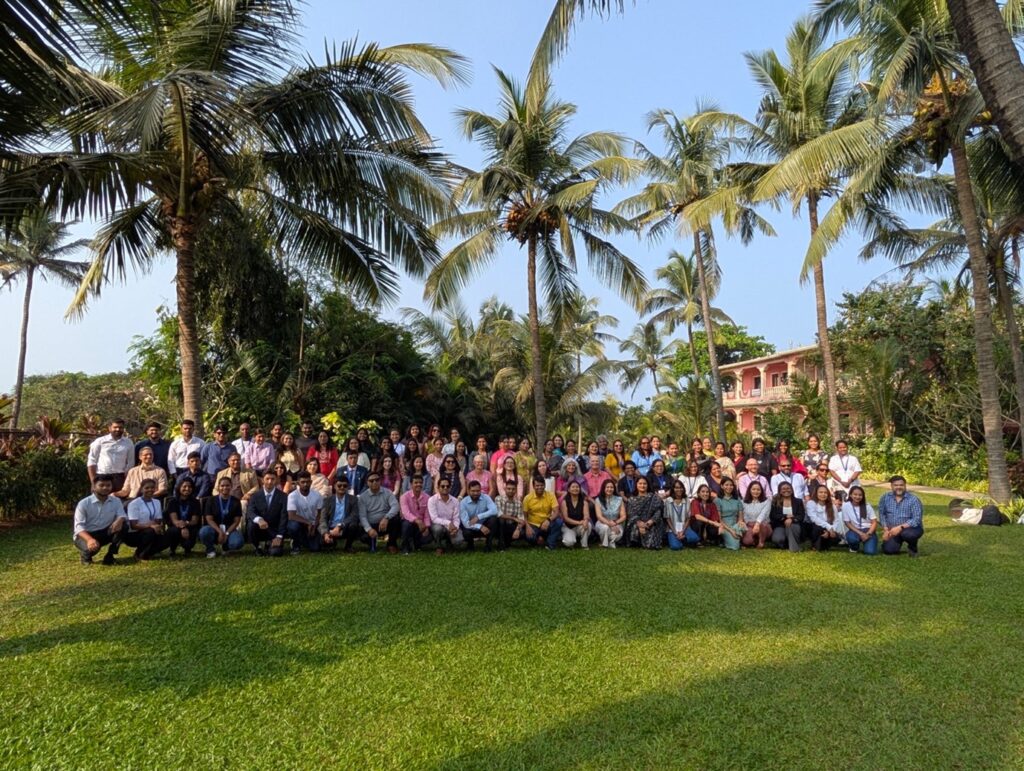
In a lovely hotel by the beach in Goa, members of the NAMASTE collaboration from Nepal, Sri Lanka, and India came together for a wonderful and memorable meeting that marked a milestone in the project. The hospitality was beautiful with menus provided with traditional dishes from all around India; our now traditional ‘NAMASTE’s Got Talent’ event at the end included performances from all our different cultures and ended with wild dancing to Bollywood beats.
You can read more about key areas of discussion across the programme, including updates from the Detection and Intervention workstreams, reflections on the WHO Caregiver Skills Training (WHO‑CST) programme, and insights from Community Engagement and Involvement (CEI) activities. Together, these posts capture the breadth of work discussed at the meeting and highlight how different strands of the NAMASTE programme connect in practice.
All this joy was to a purpose. There were around 90 members of the team were assembled from all corners of the Project to celebrate progress and think towards the future. There is already a sense of tremendous success in the community engagement, with over 20,000 families engaged with our screening/surveillance instrument for identification of autistic and other neuro developmental conditions, who are then triaged into different supports within the very different health systems across our collaborating sites. This project is unique in the field of neurodevelopment internationally in the scale of what it is trying to do, and there may be important learnings from this then for other systems including in higher income countries. The teams were rightly celebrating this success in engaging their communities, training their workforce and managing the inevitable complexities of a project of this kind. We also begun to think forward to what a future life of the project could be; initiatives that could follow the end of the funded period in order to sustain the momentum of the work in improving autism identification and care in these communities. The meeting ended with this hope for future progress as well as identifying challenges. We are looking forward to convening again in June 2026 in Manchester for further plenary discussions and a showcase event.


Contact Us
+44 (0) 161 306 6000


0 Comments