
WHO-Caregiver Skills Training (WHO-CST)
By Dr Anup Netravalkar and team
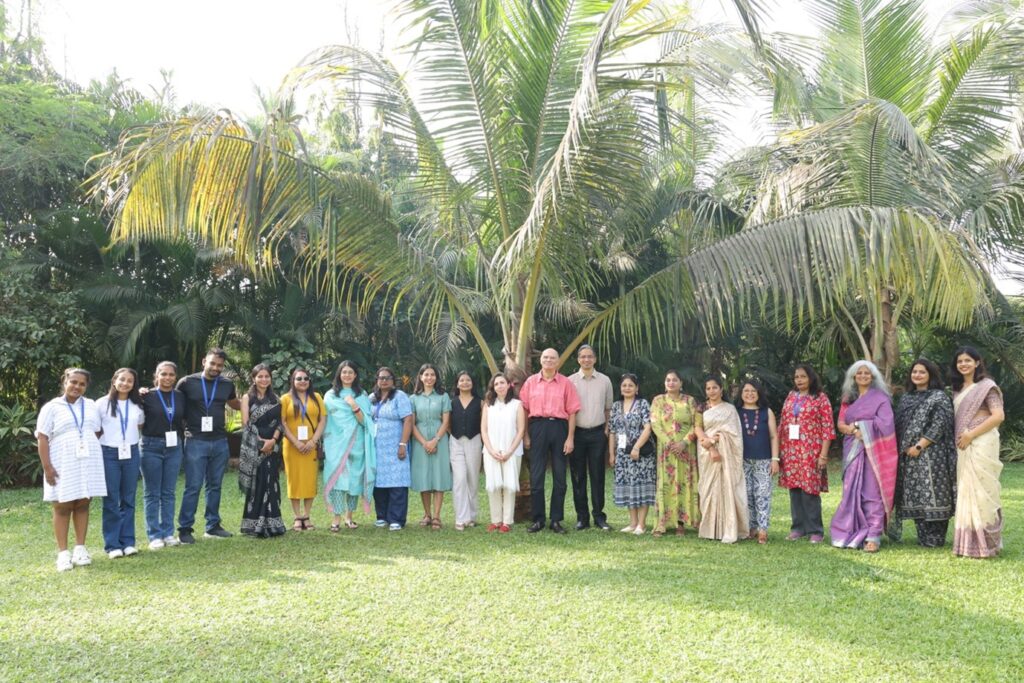
The WHO-Caregiver Skills Training (WHO-CST) teams working under the NAMASTE programme recently came together for the international NAMASTE meeting, creating a valuable opportunity for in-person engagement, shared learning, and collective reflection across all four implementation sites. The meeting marked an important milestone for the programme, strengthening collaboration among 4 programme sites who are implementing WHO-CST in diverse cultural, health system, and community contexts.
The discussions provided a structured space for teams to share on-the-ground experiences, reflect on common and site-specific challenges, and jointly brainstorm practical mitigation strategies to address barriers to implementation. These exchanges were particularly enriching as they allowed teams to move beyond theoretical discussions and focus on realistic, field-driven solutions to improve feasibility, acceptability, and sustainability of the intervention. The collective problem-solving approach reinforced the value of cross-site learning and highlighted the strength of the NAMASTE network as a platform for collaborative implementation science.
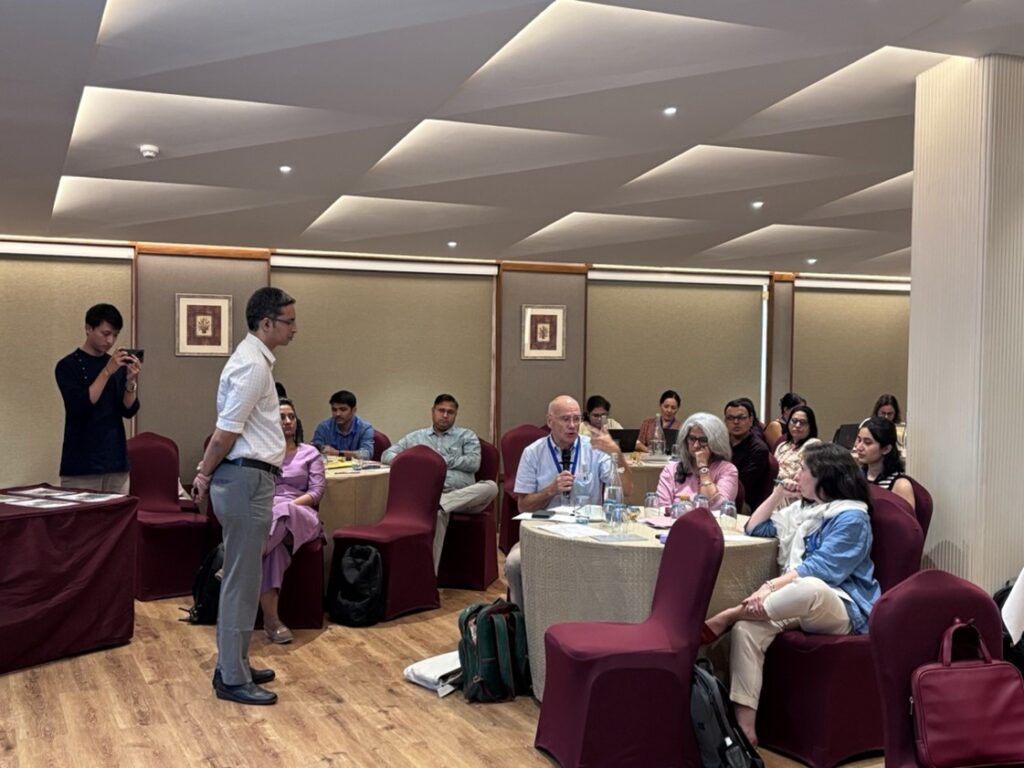
A key highlight of the meeting for all teams was the opportunity to meet Prof Erica Salomone in person, whose leadership and vision have been central to the conceptualization and global rollout of the WHO-CST programme. Until now, interactions with her had largely been virtual, making this face-to-face engagement especially meaningful. Her insights and guidance helped provide clearer direction on strengthening implementation strategies and, importantly, on planning and aligning future publications emerging from WHO-CST work across sites.
Overall, the international NAMASTE meeting reaffirmed the shared commitment of the WHO-CST teams to advancing scalable, evidence-based, caregiver-mediated interventions for children with developmental delays and their families. The meeting strengthened collective ownership of the programme and reinforced a common vision for generating robust evidence while remaining grounded in community-based realities.


Contact Us
+44 (0) 161 306 6000


0 Comments